Ten questions for philosopher Hans-Georg Moeller whose new book explains how the language of morality, or of ethical purity, distorts our ability to tackle the toughest social and political problems.
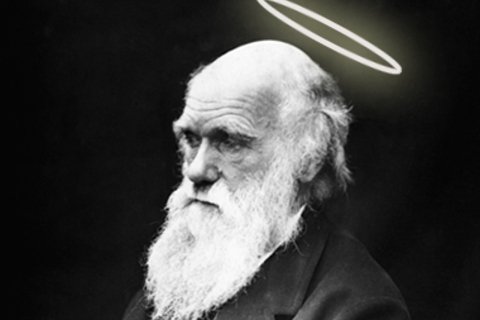
David Sloan Wilson is a biologist who claims that the so-called “selfish” gene is a myth. What if we have evolved to do what’s best not for ourselves, but for the groups we live in? The implications for religion, the ultimate social organism, are huge.
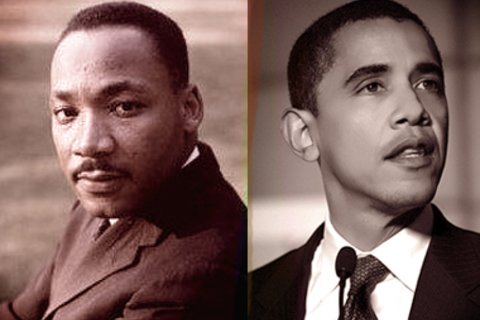
For King, the challenges of a dawning age required a recognition that globalization had produced what he called a geographical togetherness and that this togetherness very much needed a spiritual grounding.
In the wake of James Dobson’s attacks on Obama’s Christianity, liberal evangelical Jim Wallis comes to the candidate’s aid. Is Wallis’ subsequent plea for a new Democratic position on abortion strategically timed?
The way we live will lead, inevitably, to the extinction of half of the planet’s biodiversity by century’s end. How can our morality, or our religion, prepare us for this?
Myths of good versus evil have long sustained conservatism, but these narratives, with their shining heroes, and dastardly evildoers, are irrelevant to the civil debates at hand, and threaten to undermine the reforms that would help us all the most.
Is American sexual culture schizophrenic? Yes, and this has everything to do with the sexual politics of the religious right. Sexual opportunity is everywhere, but sexual rights have, at the same time, been concretely eroded.
Does morality come from religion or is it merely “the language games of one’s time”? Are the most basic moral boundaries we evolved that make life easier and less chaotic a reflection of the character of God? If there is no God, or if He doesn’t care about us, then our common morality is still the result of practical, reality-based needs, which also “teach” that a good life depends on the “Do unto others…” ethic.