social media

Religion Dispatches
Black helicopters roll over the tarmac. From off screen we hear a voice with a generic Southern accent casually intone: “Here’s a Bible verse I think about sometimes, many times. It goes…” The images…
Article
Religion Dispatches
Almost every day I run across some version of this Twitter interaction: Original Tweet: Bible/Jesus/God says Comment: Haven’t you read ? Christians who purport to love the Bible never seem to read it…
Article
Religion Dispatches
In late February, I went through an episode of online bullying that made me feel more dehumanized than I ever had since coming out as a transgender woman, leading to several days of heightened…
Article
Religion Dispatches
Facebook’s ban of LifeSiteNews a notoriously ultraconservative website that regularly spreads disinformation about abortion — for its COVID violations — puts into sharp relief the tolerance of…
Article
Religion Dispatches
Facebook and Elon Musk have recently announced ventures that could transform what it means to be human. The potential is enormous—but so are the risks.
Article
Religion Dispatches
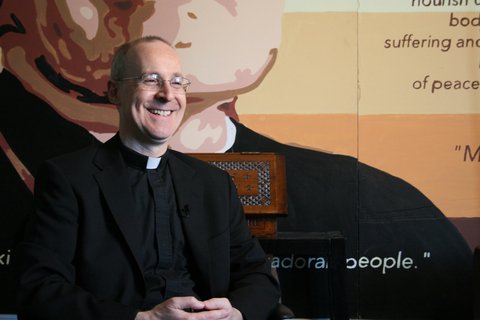
A few years ago, the idea of a “celebrity Jesuit” would have puzzled most Americans. That was not only before the election of the first Jesuit pope, but also before Fr. James Martin began appearing on…
Article
Religion Dispatches
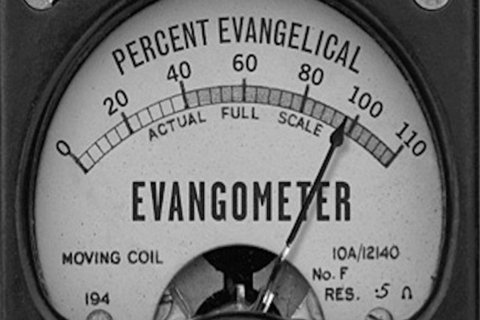
In June 2015, I asserted here on RD that “we need to listen to the voices of those who have been harmed by the fundamentalist tendencies in evangelicalism,” and that “we need to center the voices of…
Article
Religion Dispatches
David Nirenberg, historian of Judaism, spoke with RD about Twitter, Trump, and the parallels between anti-Semitism and misogyny.
Article
Religion Dispatches
Last week we watched death on our smartphones. We witnessed the light drain out of Philando Castile’s eyes and we knew that the stillness of Alton Sterling’s body after the bullets were fired was that…
Article
Religion Dispatches
When people ask questions like “ Why do we pick and choose our religious beliefs?” they usually don’t mean “we” but “they.” This is because within such a question, there is often an implied criticism…
Article