Times of demographic and cultural threat to a core White American identity and experience have historically empowered the Far Right, a significant contributing factor to the rise of Trumpism.
Right-wing populist movements target superficial or false symbols of elite power, reinforces systems of social privilege and oppression, and are built around a backlash against liberation movements, social reform, or revolution.
When holding state power, fascism tends to be rigidly hierarchical, authoritarian, and elitist. As a social movement fascism employs populist appeals against the current regime and promises a dramatic and quick transformation of the status quo.
In the last few years of the 20th Century a new form of fascism emerged in a period of resurgent neofascism. Called the Third Position, it seeks to overthrow existing governments and replace them with monocultural nation states.
Éste es un momento difícil para quienes creemos en la justicia y la democracia. Un hombre que llevó a cabo una campaña insurgente como un demagogo racista, xenófobo, misógino y anti-establecimiento es ahora el presidente electo de los Estados Unidos.
Broadly speaking, the consensus is that we’re in a time of great instability, revolt, and possibility. History teaches us that in times like these, we need to be both bold and vigilant.
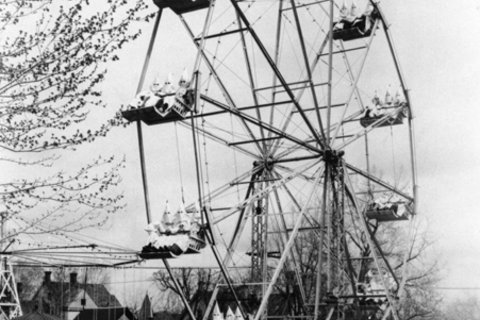
Almost as suddenly as Trump himself emerged as a major player in the race, so too did an array of White Nationalists and supremacists, conspiracists and xenophobes, and even Klansmen and skinheads.
Right-Wing Populism, Fascism, and the Case for Action
Debate over what we should call Trump’s vicious political movement should not stop us from organizing now to protect the people being demonized and scapegoated as targets of White rage.