The current issue of ILGA-Europe’s Destination EQUALITY magazine focuses on reconciling sexual orientation, gender identity, gender expression and religion. The magazine includes personal testimonies…
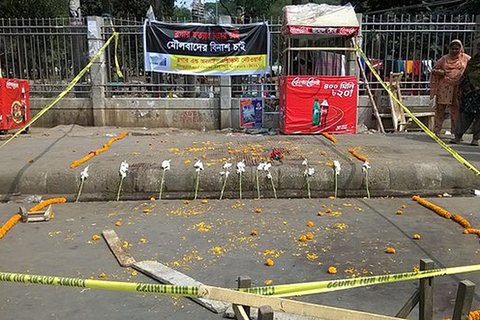
Authorities in Bangladesh announced yesterday that three men suspected of the brutal machete murders of bloggers Avijit Roy and Ananta Bijoy Das have been arrested. But the violence against secular…
Mexico: Catholic bishops perform anti-marriage-equality exorcism At conservative journal First Things, intern Matthew Young contrasts the “weak” opposition from Irish church leaders to the marriage…
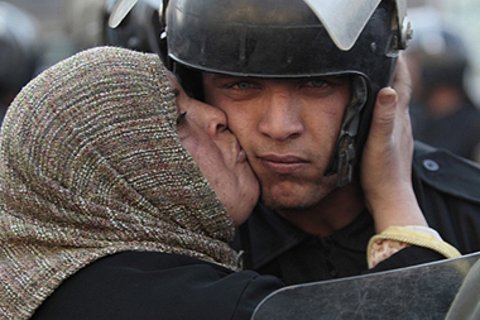
As I watch the latest news from Egypt, that the country’s parliament has been dissolved by a Mubarak-era court, I wonder: Has the revolution ended before it began?
While many books will no doubt be written about the momentous events that are unfolding in the Middle East, many of them will doubtless leave out the prehistory. By exploring the rich tradition of nonviolent resistance in the Muslim world—from Palestine and Pakistan, to Kosovo and the Maldives—Amitabh Pal dispels the oft-repeated misconception that what we are witnessing in the Arab Spring is without precedent.
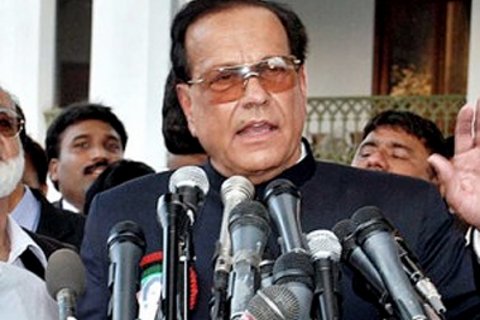
Taseer’s assassin shot him multiple times at point blank range in a public market and then waited to be detained, allegedly expressing pride in his actions to the media that quickly surrounded him. It is the issue of blasphemy and the symbolic nature of a much-publicized case involving Aasia Bibi, a Christian woman accused of maligning the Prophet Muhammad, that brought Taseer so centrally into the public eye in recent weeks.
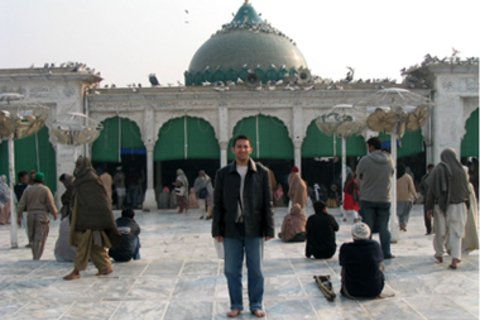
Since last week’s bombing, I’ve spent quite a bit of time reviewing old photographs from trips to Pakistan. In seeing pictures of the shrine pre-attack, and in vividly recalling crowds of peaceful worshipers congregating there, posing no discernible threat to anyone, I was nearly moved to tears.