“I have a story that will make you believe in God,” an elderly man tells the narrator of Yann Martel’s novel Life of Pi (2001). This is the opening of a very tall tale, one that’s designed to chasten the reader’s skepticism.
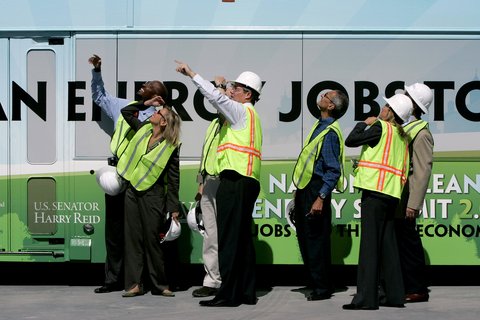
What’s the scorecard on the Michigan Operational Integration Center’s ability to combine information from different sources when the threat is not terrorism but environmental disaster?
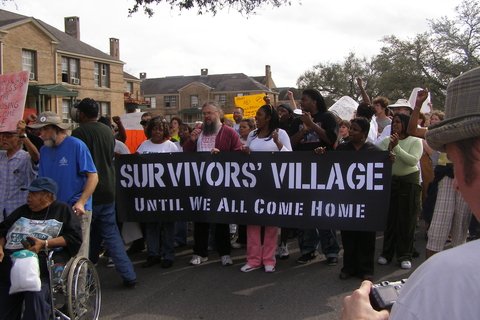
Five years after Hurricane Katrina and the “federal flood,” as locals call the disaster, the new New Orleans is as much the product of decades of antiwelfare ideology in local and national governments as it is of the unique circumstances of the disaster.
Everyone wants to be green. Fossil fuel companies tout their commitments to the environment, with BP sporting its green and yellow flower logo and Chevron scooping up a Green Apple award for promoting public-school energy efficiency. In 2009 Exxon-Mobil got itself named Forbes magazine’s Green Company of the Year for stepping up its natural gas production.
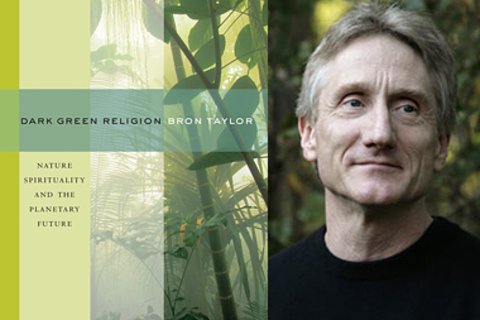
Ten questions for Bron Taylor, whose latest book Dark Green Religion holds that traditional religions are gradually being replaced by more sensory forms of spirituality which promote more sensible, ecologically adaptive behaviors.
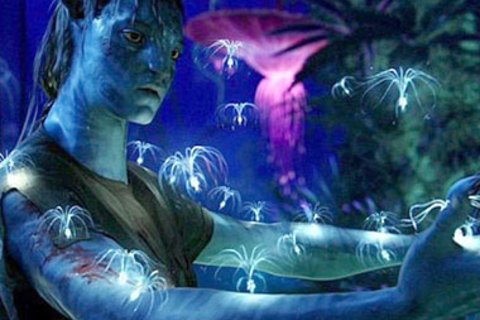
It may be only a movie, but it is turning significant segments of its audience into eco-radicals. We can go ahead and dissect the film’s weaknesses, but as our planet dies, and politicians fail, is this really how we want to talk about the most influential ecological parable of our time?
The way we live will lead, inevitably, to the extinction of half of the planet’s biodiversity by century’s end. How can our morality, or our religion, prepare us for this?
We have failed, as a society—for millennia—to ascribe worth to the one sustaining gift of the universe that we touch and feel every day: the earth itself. Rex Weyler, co-founder of Greenpeace, has an Earth Day message about ecology, community, and spirit.